Wellness Tips

Educational reading on healthy routines

Four short, general articles about daily habits, consistency, and simple evening practices — written for curious readers, not as advice.

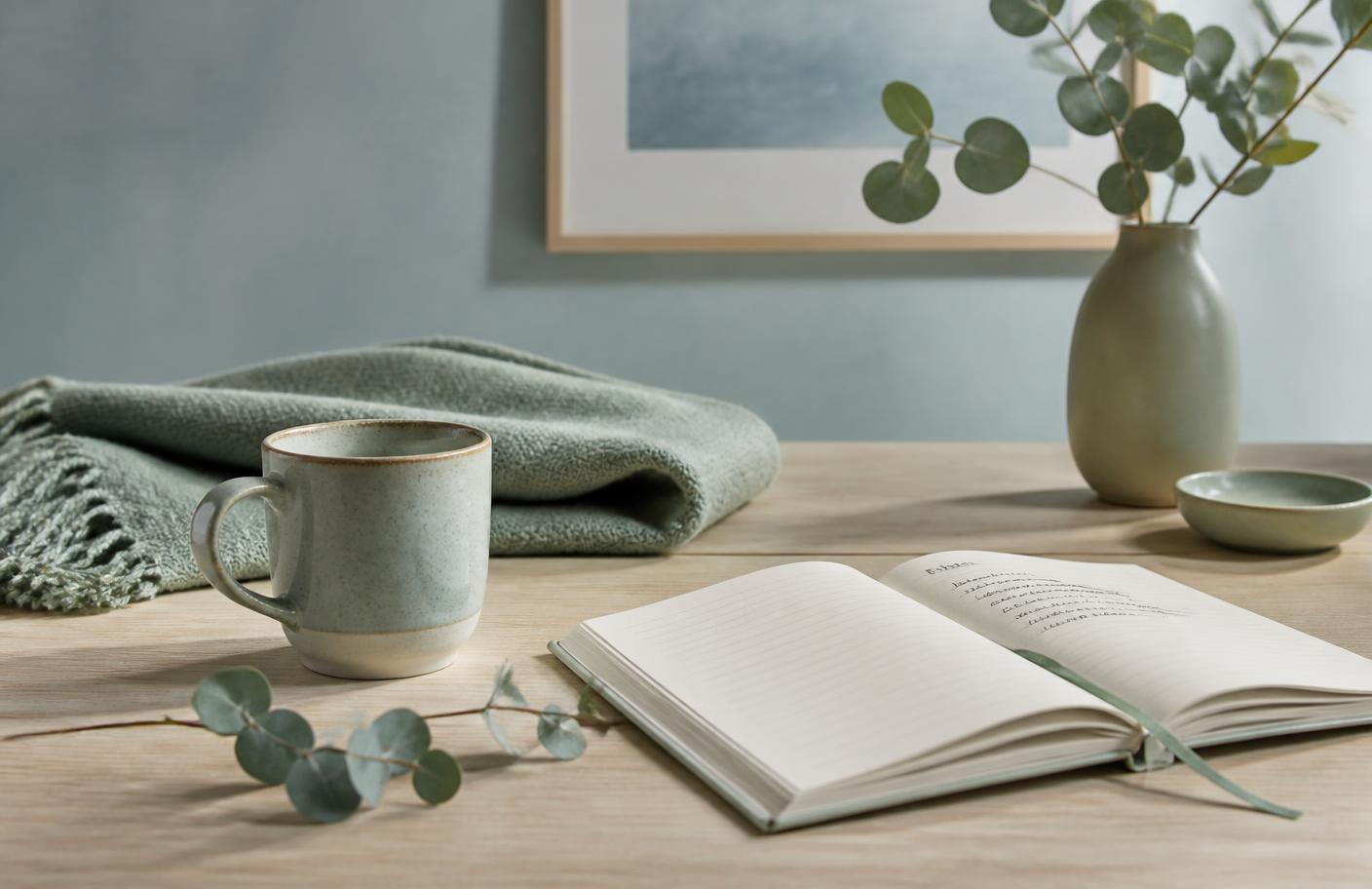
A ceramic mug, folded throw and open notebook on a pale wooden table

Building Better Daily Habits

Habits are simply the actions we repeat often enough that they stop requiring a decision. That is why people who write about healthy living tend to talk about habits rather than one-time efforts: the small things we do without much thought end up shaping most of an ordinary week.

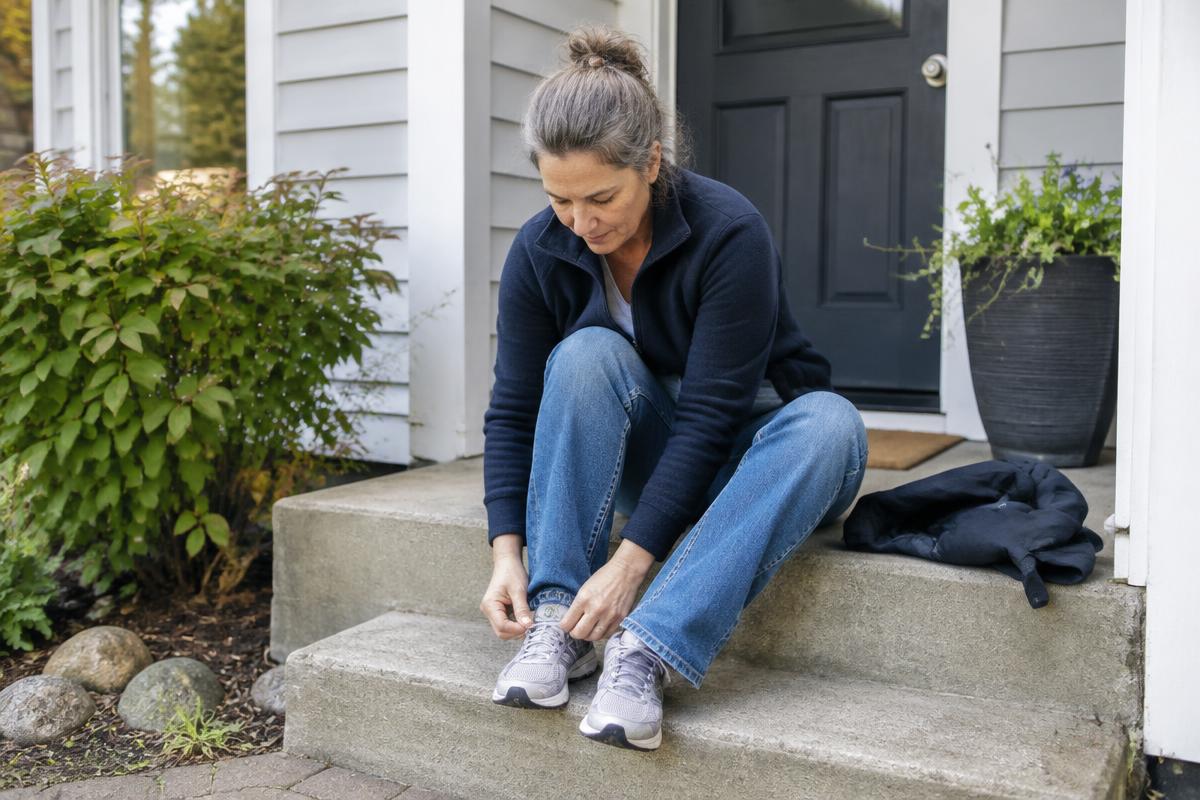
A common suggestion in lifestyle writing is to start with a habit so small it feels almost too easy — a glass of water in the morning, a short walk after dinner, a few minutes of quiet before bed. The idea is that an easy habit survives a busy day, while an ambitious one usually does not.
Why Consistency Matters

Many people describe wellness in terms of intensity: a demanding plan, a strict schedule, a dramatic change. In practice, the routines people keep are usually the ones that ask very little of them on an average Tuesday.

Consistency also makes it easier to notice what actually fits your life. When something happens at roughly the same time each day, it becomes part of the rhythm of the day rather than another task competing for attention.

Creating a Healthy Evening Routine

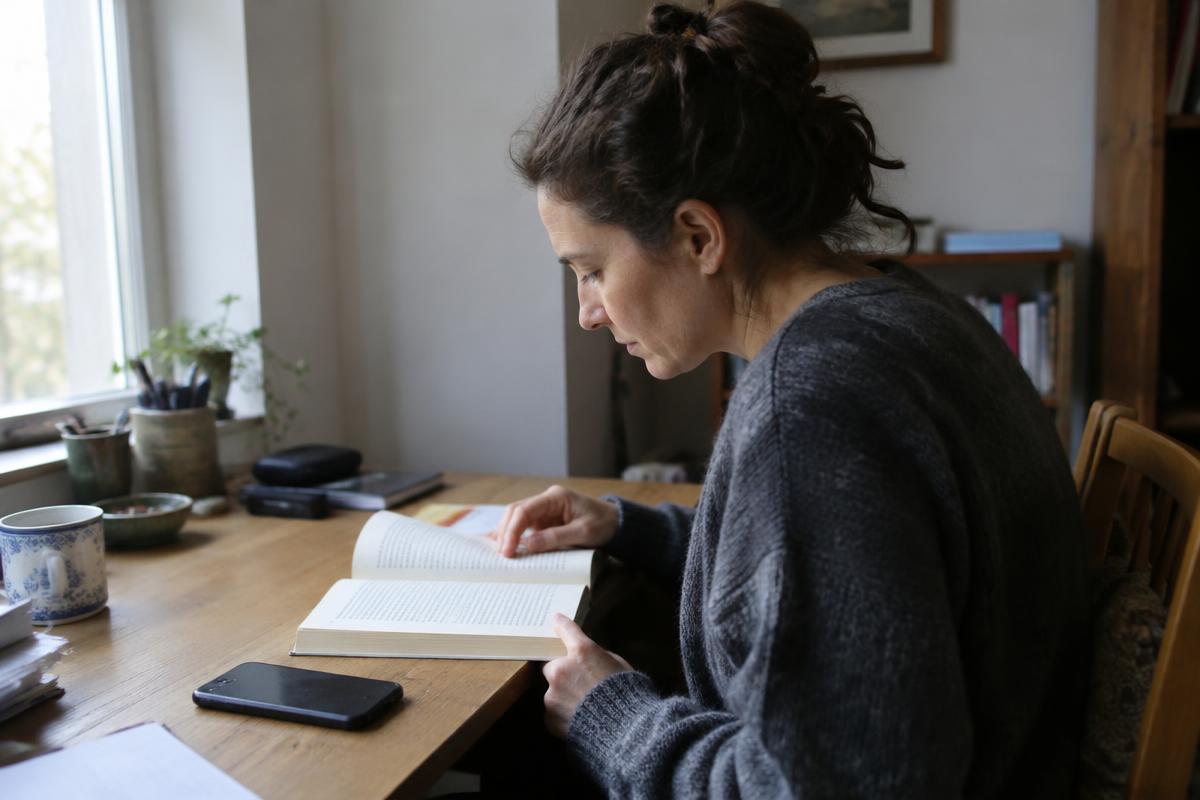
Evening habits have become a popular topic because the last hour of the day is one of the few hours many adults can shape freely. Dimming the lights, putting screens down a little earlier, tidying one small space, or reading a few pages are all commonly mentioned ways to signal that the day is winding down.

The details matter less than the repetition. A short sequence you actually enjoy tends to hold up better than an elaborate ritual you have to talk yourself into.

Wellness Through Simplicity

Simplicity is popular for a practical reason: complicated programs require tracking, planning, and willpower, and most people have a limited supply of all three. A simple routine asks less and therefore tends to last longer.

Choosing fewer habits also makes it easier to be intentional about them. Instead of managing a long list, many people prefer to protect two or three small practices that they genuinely look forward to.

Considering Pineal Guardian X alongside these habits?

Keep the routine first. A supplement is optional, not a treatment for cognitive or sleep symptoms. Seller links may earn us a commission.

Prefer to read first? See our Pineal Guardian X ingredient and decision guide.

A note on these suggestions

Published by Maiko Santos. These short essays are practical editorial suggestions, not medical guidance or tested cognitive-health interventions. For broader public-health context, read NIA’s Cognitive Health and Older Adults.

Keep the bigger picture in view

From our sister publication

Wellness Center Magazine

A little reading.
A fresh look at your day.

Some days, you want to understand what’s going on before deciding what to change. Our magazine explores the everyday questions behind healthier routines.

An open notebook and ceramic mug beside a folded throw and green branches

What feels familiar today?

Daily focus

A calmer routine for distracted days

A clearer workspace, a shorter task list, and fewer interruptions. Explore everyday ways to give your attention a little more room.

Inside the guide: workspace, priorities, and daily rhythm.

Find a calmer starting point
Browse the article collection

Opens our magazine in a new tab. Educational reading, not medical advice.