Healthy aging and brain health: what deserves your attention
Healthy aging is not about proving that you can stay exactly the same. It is about making everyday life work well while recognizing which changes are ordinary and which need help.
Published by Maiko Santos · Educational editorial summary · Not medically reviewed
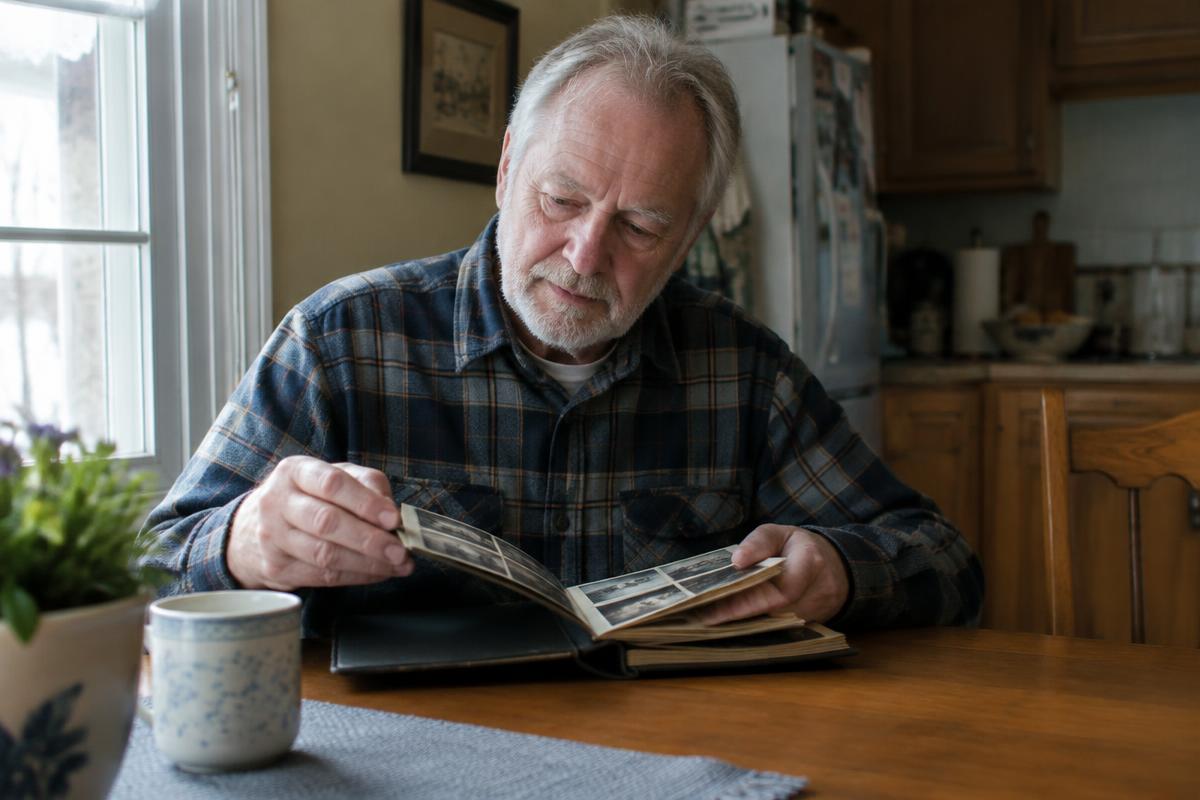
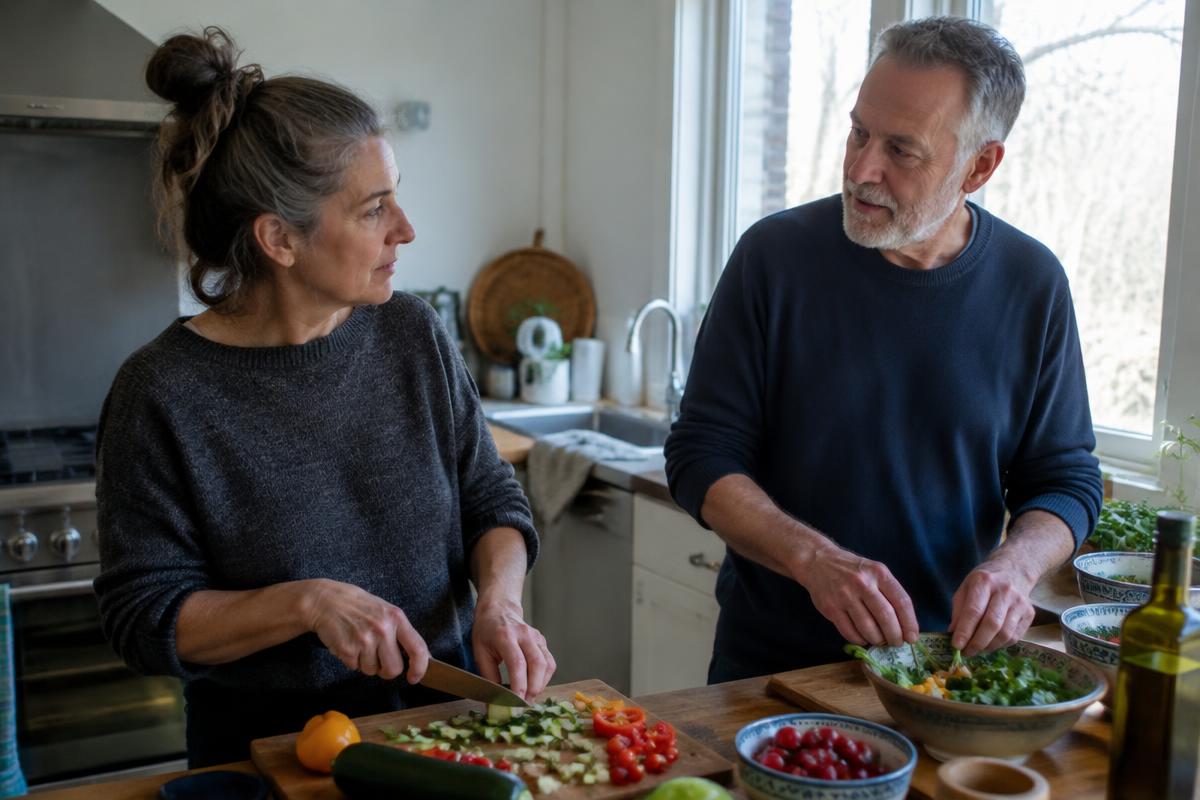
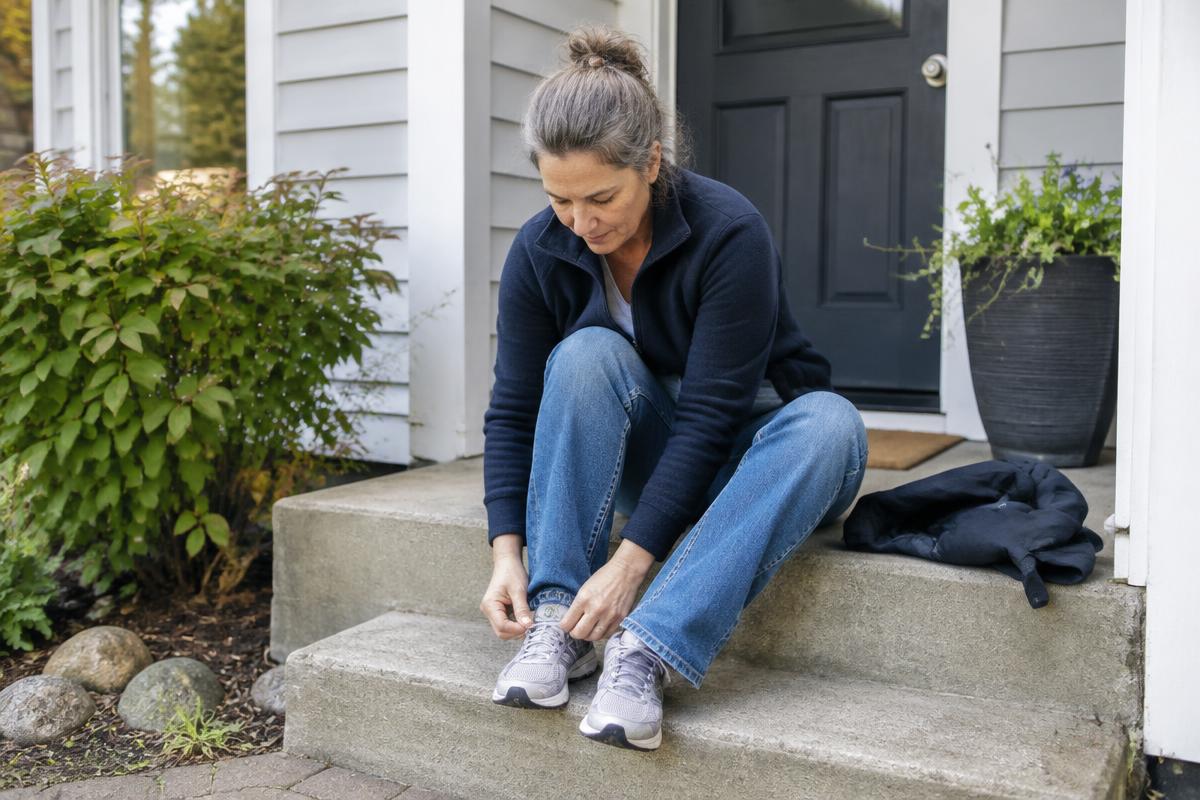
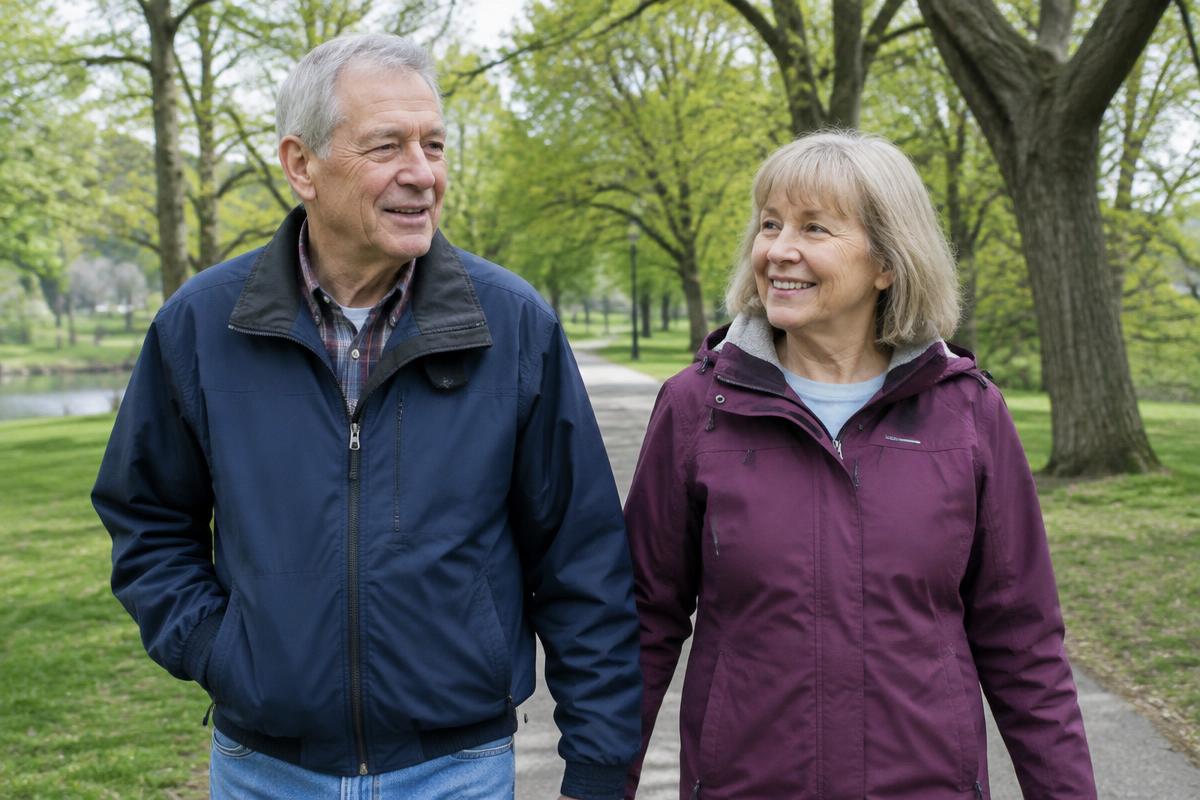
Illustrative photography; not a reader testimonial. Editorial and affiliate policy
The short answer
Long-term brain health sits alongside overall health. Managing health conditions and staying engaged matter more than an anti-aging promise.
Different abilities can change in different ways
NIA describes changes in processing speed, multitasking, and recall that may occur with aging. At the same time, accumulated knowledge and vocabulary can remain strengths. Older adults retain the ability to learn and form memories.
This is not a reason to dismiss progressive difficulty. New problems with familiar responsibilities, getting lost, or repeated confusion should be assessed. The aim is to support independence, not to explain away symptoms with the phrase 'just getting older.'
Brain health includes the rest of the body
CDC and NIA include blood pressure management, physical activity, avoiding smoking, and care for other health conditions in their guidance. Your clinician can help set appropriate goals for your circumstances; do not alter medication based on a general article.
Hearing, vision, and prevention of falls and head injuries belong in the picture too. A well-lit walkway, appropriate safety equipment, and review of sensory difficulties may sound less exciting than a new product, but they address real daily risks.
Keep learning connected to life
Choose activities with a reason to return: learning a recipe, joining a class, working on a hobby, or seeing a friend regularly. Enjoyment and social connection can make engagement easier to sustain.
These activities should not be sold as a guarantee against dementia. NIA is careful about the limits of prevention evidence. No supplement or brain game should replace appropriate medical care or the broader foundations of health.
A practical place to begin
- Keep regular healthcare visits and discuss blood pressure and other conditions.
- Choose movement that is appropriate for your ability and health.
- Address hearing, vision, and preventable injury risks.
- Make room for a meaningful learning or social activity.
Questions worth asking
Can older adults still learn new things?
Yes. NIA describes continued capacity to learn skills and make new memories, although some tasks may take more time.
Can a healthy lifestyle guarantee no dementia?
No. Healthy habits may address risk factors, but no routine guarantees prevention. Genetics and other factors also matter.
Take the next step without rushing
Start with the daily context, choose one manageable action, and ask for help when symptoms persist. A useful decision may mean changing a habit, booking an appointment, reading more—or buying nothing.
Continue readingSources and evidence
- NIA: How the Aging Brain Affects Thinking (opens in a new tab)
- NIA: Cognitive Health and Older Adults (opens in a new tab)
- CDC: Reducing Risk for Dementia (opens in a new tab)
Public-health guidance is context, not an endorsement of this publication or any product. Practical suggestions are editorial adaptations, not tested treatment protocols.
The information provided on this website is for educational and informational purposes only and is not intended as medical advice. Always consult a qualified healthcare professional regarding any health concerns.
This website may contain affiliate links. If you purchase through these links, we may earn a commission at no additional cost to you.