
Pick one fixed time
A wellness routine holds together when it happens at roughly the same hour every day. Choose the hour you can protect most evenings, not the ideal one.
Wellness Routine Guide
A healthy daily routine does not have to be complicated. These practical wellness habits for adults combine a short evening routine with the consistency that supports healthy aging—without rigid schedules or exaggerated promises.
Published by Maiko Santos · Educational reading, not medically reviewed.
Educational content. Individual experiences vary.
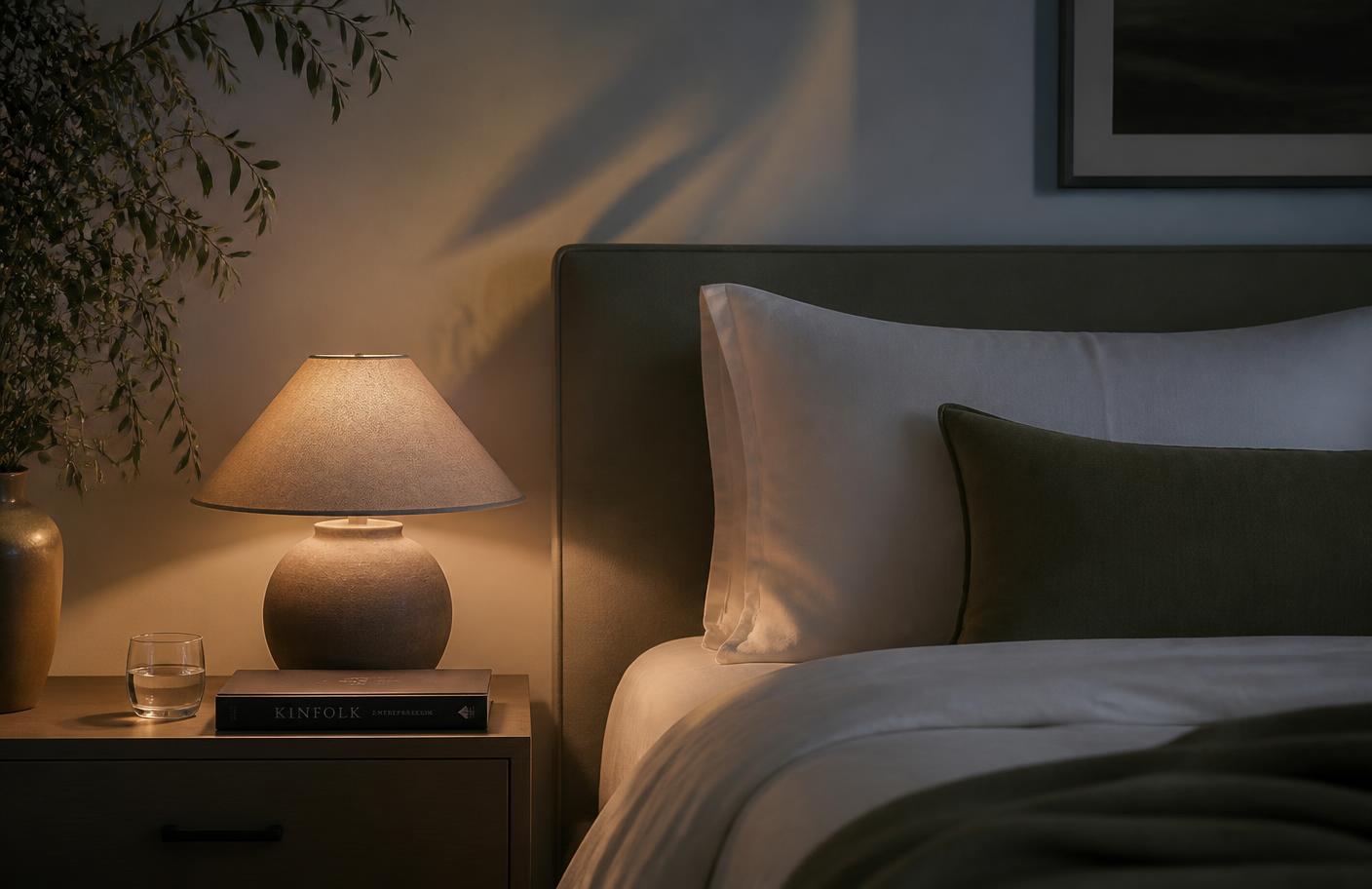
A wellness routine holds together when it happens at roughly the same hour every day. Choose the hour you can protect most evenings, not the ideal one.
Lower the lights, put screens aside a little earlier, and tidy one small space. These are the steps people mention most often when describing an evening wellness routine.
Two or three small practices you actually enjoy tend to last far longer than an elaborate plan you have to talk yourself into.
Consistency, not intensity, is what most wellness writing points to. When a routine asks very little of you, it survives the days when everything else runs long — and that is usually the difference between a habit that lasts and one that quietly disappears.
Healthy lifestyle habits are most useful when they fit ordinary life. Regular sleep and wake times, balanced meals, daily movement, morning light, and a calmer evening are practical foundations. Add one habit at a time, repeat it long enough to observe the pattern, and keep supplements optional rather than treating them as shortcuts.
If you are evaluating an optional supplement alongside these habits, read our Pineal Guardian X information and limitations for its listed ingredients, limitations, and decision checklist.
Pineal Guardian X is a dietary supplement, not a treatment for sleep or memory problems. Check the full label, evidence limits, and seller policies before deciding. Affiliate links may earn us a commission.
The information provided on this website is for educational and informational purposes only and is not intended as medical advice. Always consult a qualified healthcare professional regarding any health concerns.
This website may contain affiliate links. If you purchase through these links, we may earn a commission at no additional cost to you.
NIA includes adequate sleep and regular physical activity among cognitive-health foundations. Our short routine is a practical editorial suggestion, not a tested treatment.
NIA: Cognitive Health and Older Adults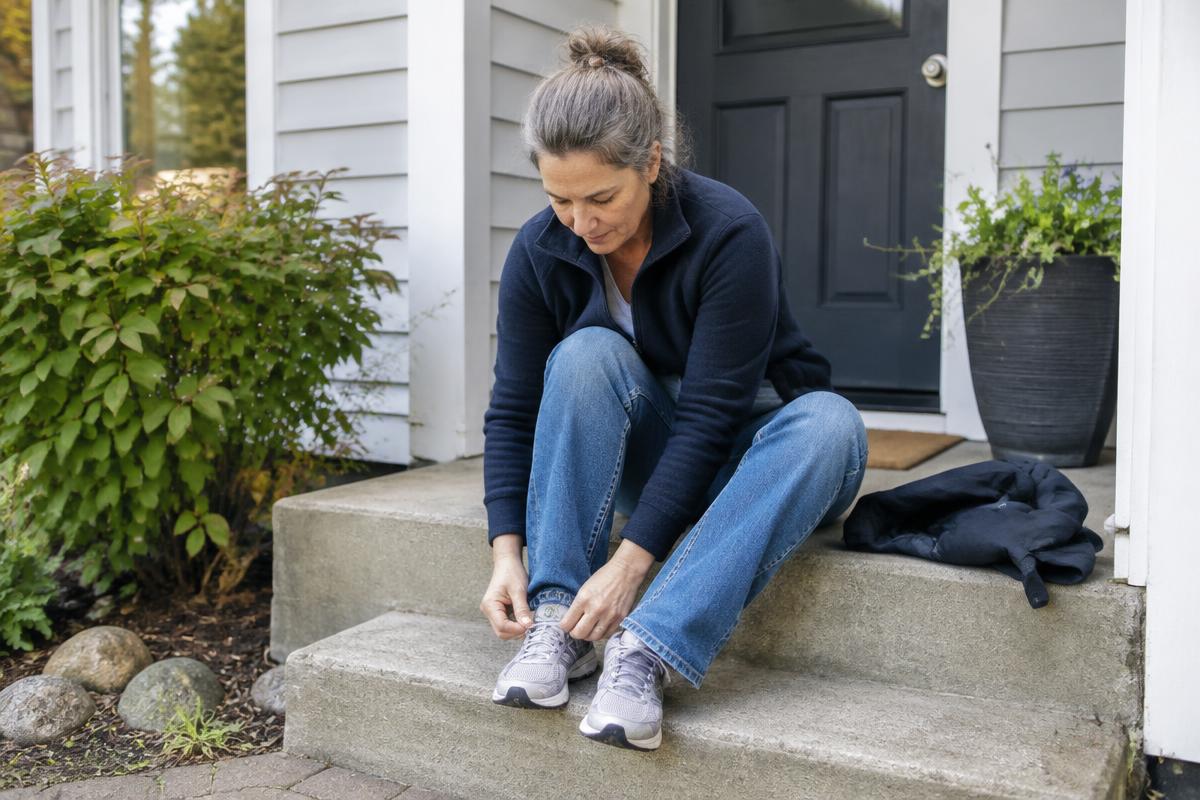
Lifestyle Habits
A realistic starting point for sleep, movement, meals, social connection, and health follow-up—without a complicated brain-health protocol.
Read the guideSleep
How sleep supports learning and memory, what poor sleep can affect, and practical questions for a steadier sleep routine.
Read the guide
Healthy Aging
A measured guide to cognitive changes with age, cardiovascular health, injury prevention, and habits that support everyday independence.
Read the guideFrom our sister publication
Wellness Center Magazine
Some days, you want to understand what’s going on before deciding what to change. Our magazine explores the everyday questions behind healthier routines.
What feels familiar today?
Daily focus
A clearer workspace, a shorter task list, and fewer interruptions. Explore everyday ways to give your attention a little more room.
Inside the guide: workspace, priorities, and daily rhythm.
Find a calmer starting pointOpens our magazine in a new tab. Educational reading, not medical advice.