Ingredient Guide
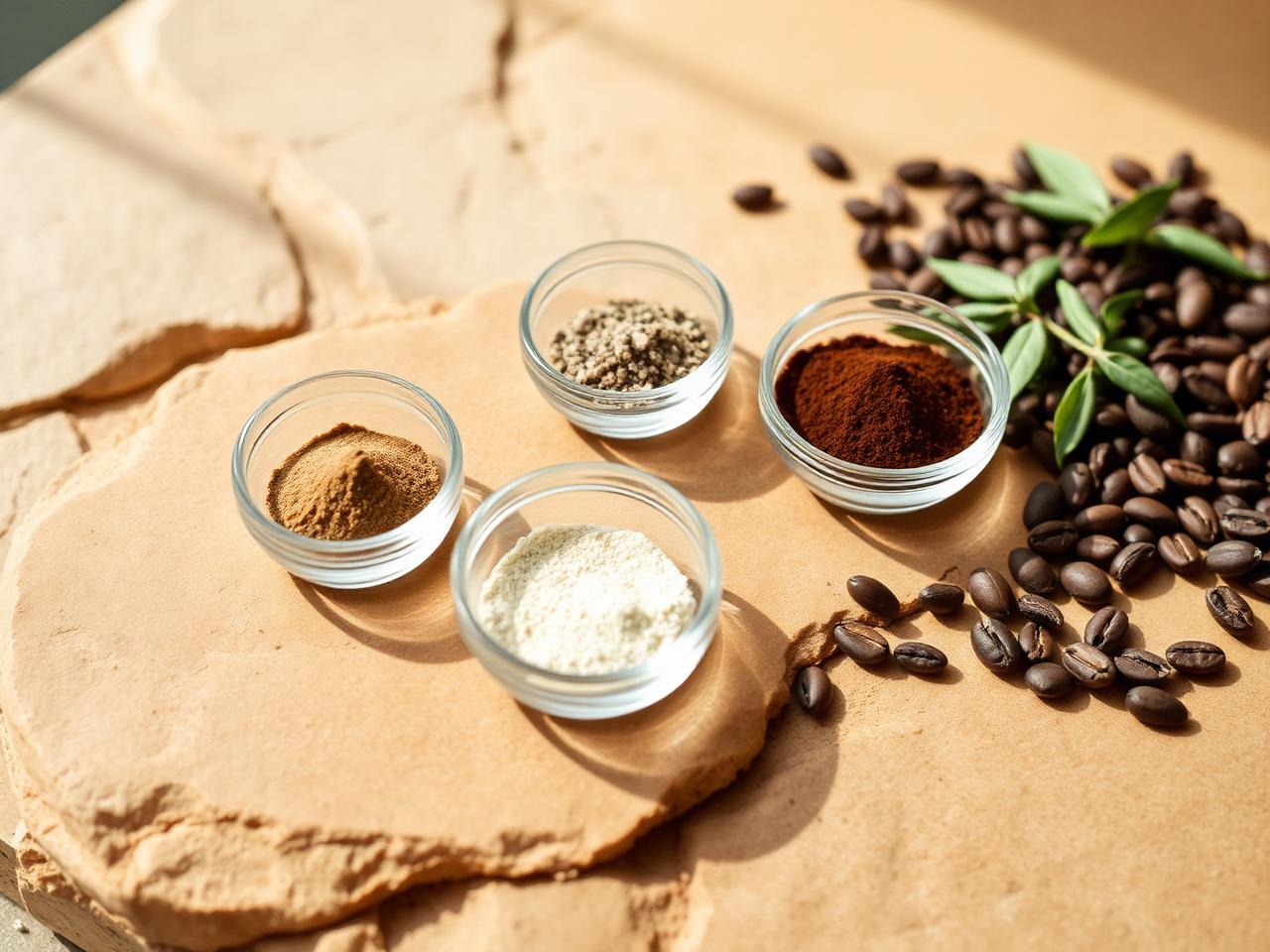
Every Ingredient in Java Burn, Explained in Plain Language
What green tea extract, chlorogenic acid, L-theanine, L-carnitine, chromium and the added B vitamins are each doing on the label.
August 29, 2026 · 8 min read
Product Review
An educational look at the coffee additive — the format, the claims, the evidence behind them, and the questions worth asking before you buy.

By Elena Marsh, Contributing Editor, Nutrition & Metabolism
August 31, 2026 · 9 min read

Java Burn is a powdered dietary supplement sold in single-serve sachets and designed to be stirred into a cup of coffee. It is marketed as flavourless, so the intended experience is that your morning cup tastes the same as it always did. That format is the product's main idea: instead of adding a new habit, it attaches itself to one most people already have.
It is worth being precise about the category. This is a supplement, not a medicine. In the United States it is regulated as a food, which means it does not go through pre-market approval for safety or effectiveness, and the manufacturer is not permitted to claim it treats or cures anything.
Marketing around metabolic supplements tends to blur two very different statements: that an ingredient has been studied, and that a finished product produces a given outcome. The first is often true. The second is rarely tested directly on the product itself.
An ingredient having evidence and a product having evidence are not the same claim.
The honest case for a product like this is narrow. If you already drink coffee every morning, already sleep reasonably, already eat with some structure, and want a low-friction addition you will actually remember to take, the format makes sense on its own terms.
If you are hoping it will offset a chaotic schedule, if you avoid caffeine, or if you are pregnant, nursing, taking medication or managing a condition, this is not the right product to start with. Speak to a clinician first.
Java Burn is a competently formatted supplement with a sensible ingredient list and an unusually low-friction delivery method. It is not a shortcut, and the marketing language around this whole category runs hotter than the evidence supports. Treat it as an optional addition to a routine that already works, judge it over months rather than days, and buy it only where the refund terms are honoured.
Reader questions
About the author
Contributing Editor, Nutrition & Metabolism
Elena Marsh writes about metabolism, habit design, and the small rituals that make mornings work. She has spent nine years reporting on the supplement industry and reads label panels for fun.
Related
Ingredient Guide
What green tea extract, chlorogenic acid, L-theanine, L-carnitine, chromium and the added B vitamins are each doing on the label.
August 29, 2026 · 8 min read
Ingredient Study
The most common ingredient in coffee-additive formulas, read honestly — what it plausibly does, how much appears in studies, and where the marketing overreaches.
August 27, 2026 · 7 min read

Expectations
Why anything measured in days is noise, what a reasonable evaluation window looks like, and which markers are worth tracking.
August 27, 2026 · 6 min read