Explainer
What Is Java Burn? A Plain-Language Explanation
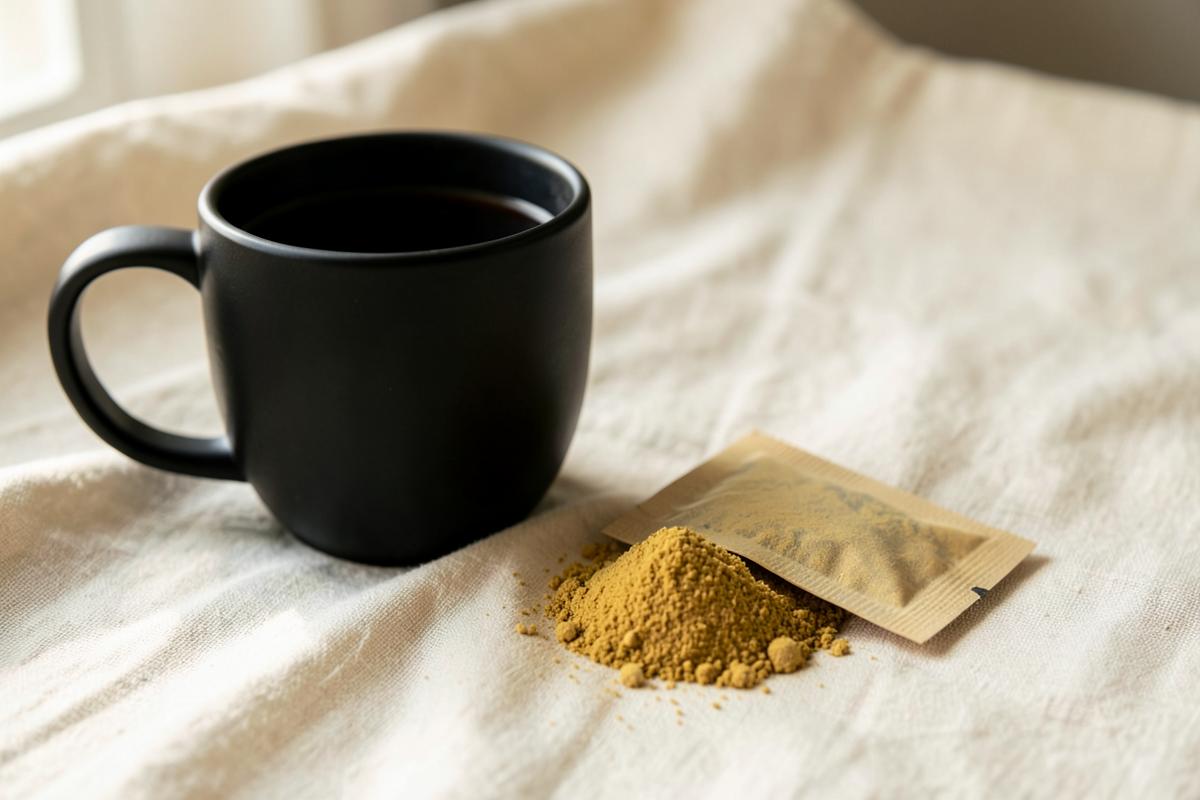
Before the reviews and the opinions: what the product physically is, how it is meant to be used, and what category it belongs to.
September 3, 2026 · 6 min read
Investigation
The marketing is loud, and that makes people suspicious for good reasons. Here is how to separate an aggressive sales page from an illegitimate product.

By Elena Marsh, Contributing Editor, Nutrition & Metabolism
September 3, 2026 · 8 min read

Almost nobody typing 'scam' into a search bar thinks the parcel will fail to arrive. They are asking two different questions at once: will I lose my money, and will this do anything at all. Those deserve separate answers, because the honest reply to the first is much clearer than the honest reply to the second.
Taken together, that answers the money question reasonably well: there is a named seller, a mainstream processor and a stated refund window. That is more accountability than an anonymous marketplace listing offers.
The presentation is a direct-response video, and direct-response marketing sells with certainty. The evidence underneath is more modest: research exists on some of the ingredient types, mostly in isolation, at doses that may not match the finished blend, and not on this specific product. Anyone who tells you otherwise is selling.
An aggressive sales page is a marketing choice, not proof of fraud — and enthusiasm is not evidence either.
So the fair verdict is narrow: a real product from a real seller with a real refund policy, marketed far more confidently than the underlying research supports.
This is the genuine hazard. Third-party listings under the same name are where old stock and lookalike sachets circulate, with no refund window behind them.
Disappointment is nearly guaranteed if you buy it expecting a result rather than a small addition to a morning that already works.
The guarantee protects you only if you use it. People lose money by drifting past day sixty, not by being defrauded.
Read the current label. Watch or read the official presentation with the marketing discounted. Check that your sleep, protein and daily walking are in reasonable order first. Then decide whether a low-friction addition attached to a habit you already keep is worth one pouch and sixty days of attention.
Reader questions
About the author
Contributing Editor, Nutrition & Metabolism
Elena Marsh writes about metabolism, habit design, and the small rituals that make mornings work. She has spent nine years reporting on the supplement industry and reads label panels for fun.
Related
Explainer
Before the reviews and the opinions: what the product physically is, how it is meant to be used, and what category it belongs to.
September 3, 2026 · 6 min read

Evidence Review
The question everyone types into Google. The answer requires separating ingredient research from product claims — and being clear about what neither can promise.
September 3, 2026 · 8 min read

Buyer's Guide
The product is sold direct, the presentation opens with a video, and the refund terms only exist on that page. Here is what a legitimate order page looks like.
September 3, 2026 · 6 min read